
Calgary doesn’t ease into winter. One week a chinook, a warm wind off the Rockies, has the snow melting, and the next it’s -30°C. If you’re new to Calgary or new to Alberta, this winter checklist is for you: how to winterize your home before the first hard freeze, from the furnace to the pipes, hot water tank, windows and doors. The homes that handle a Calgary winter best got ready before the cold showed up, not after. None of this takes a full weekend. Most of it is an hour here and there, spread out over the next few weeks.
Heating
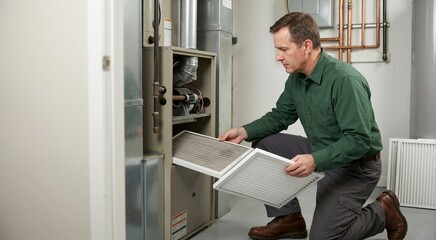
- Replace your furnace filter. A dirty filter makes your furnace work harder and pushes worse air through the house. Swap it now, then every 1 to 3 months through the season.
- Run a test before you need it. Turn the thermostat to heat, set it a few degrees above room temperature, and let it run 15 to 20 minutes. Better to find a problem now than during the first cold snap.
- Check your thermostat. Confirm the fan is set to Auto, the system is switched from cooling to heat, and swap the batteries if it’s been a year.
- Clear the area around your furnace. Give it at least a metre of open space on all sides.
- Test carbon monoxide detectors and replace batteries. Put one on every floor, and replace any detector over 7 years old.
- Book a furnace tune-up before the rush. Once temperatures drop, HVAC companies (Airology included) get busy fast, and a problem caught at a tune-up in October is far easier to deal with than a January emergency call.
Air conditioning
- Clean off the outdoor unit. Clear leaves, twigs and debris before it sits idle for the winter.
- Skip the plastic tarp. A sealed plastic cover traps moisture against the unit and leads to rust and corrosion. If you want to cover it, use a breathable, fitted AC cover, or just lay a piece of plywood over the top to stop snow from piling directly on it.
- Turn off power to the unit at the outdoor disconnect switch so it can’t accidentally kick on during a warm winter day.
- Deal with any issues now. Odd noises, weak cooling or a refrigerant leak won’t fix themselves over the winter, and it’s a much better time to have it looked at than the first hot day of next summer. We can help with AC repair and tune-ups.
Hot water tank
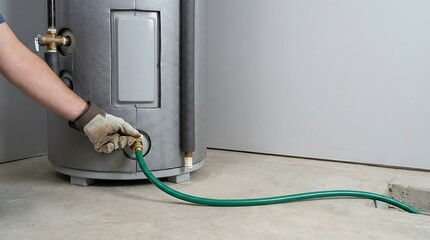
- Drain some water from your hot water tank once a year. This flushes out mineral sediment that builds up at the bottom of the tank and shortens its life. If you’ve never done this, it’s worth having it done alongside a furnace tune-up rather than DIY-ing it for the first time.
- Check the temperature setting. 120°F (49°C) is the standard recommendation. Hot enough to be useful, not hot enough to scald.
- Insulate exposed pipes, especially anything running through an unheated basement, crawlspace or garage.
Plumbing
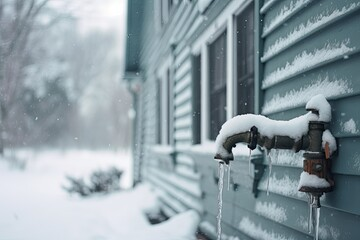
- Disconnect and drain garden hoses, then shut off exterior water valves from inside.
- Know where your main water shutoff is. If a pipe ever does freeze and burst, this is the difference between a quick fix and a flooded basement.
- Keep the house above 15°C at all times, even when you’re away. This is what actually prevents frozen pipes, more than any amount of insulation.
Doors, windows and outside
- Replace worn weatherstripping around doors and windows. An easy fix for a surprising amount of heat loss.
- Caulk gaps where pipes or cables enter the house.
- Clean out eavestroughs and downspouts, and point downspouts at least 1.5 m away from the foundation.
- Trim back tree branches within 3 m of the roof so they’re not a problem in the season’s first heavy snow.
Home emergency kit

Always be prepared in the event of a power or furnace issue. Here are some items you may have around your home to quickly gather and store in a waterproof storage bin. Keep the bin somewhere easy to reach in an emergency.
- Water and non-perishable food for 72 hours
- First aid kit and any prescription medications
- Flashlights and/or battery lanterns with spare batteries
- Toque and mitts
- Extra sweaters and socks
- Warm blankets
- Battery or hand-crank radio
- Charged portable phone charger with cords
- Hand and foot warmers (nice to have)
Get it checked before the cold hits
If it’s been over a year since your furnace or hot water tank was looked at, get it checked before the cold hits. Book a tune-up or call us at 587-837-4111.